Restoring Moisture After Chemical Processing
Deep Conditioning & Hair Repair in Yarmouth for damaged, dry, or chemically treated hair needing intensive protein and moisture therapy
Hair that feels brittle after coloring, breaks easily when brushing, or appears dull despite regular conditioning shows protein-moisture imbalance requiring professional intervention beyond retail products. Phantom Hair by Danielle addresses these conditions through deep conditioning and hair repair treatments in Yarmouth, using multi-step protocols that assess damage type before selecting appropriate restorative formulas. Maine's hard water deposits and winter indoor heating accelerate moisture loss—factors that make professional conditioning protocols necessary for reversing visible dryness and structural weakness.
Treatment begins with hair assessment determining whether your damage stems from protein loss, moisture depletion, or combination deficiency—a distinction that dictates which professional-grade formulas your hair receives. Heat activation during application opens the hair cuticle to maximize treatment penetration, delivering concentrated repair ingredients deeper than at-home products reach.
Request a hair repair assessment to identify specific damage patterns and receive a customized treatment protocol recommendation.
How Professional Repair Addresses Compromised Hair
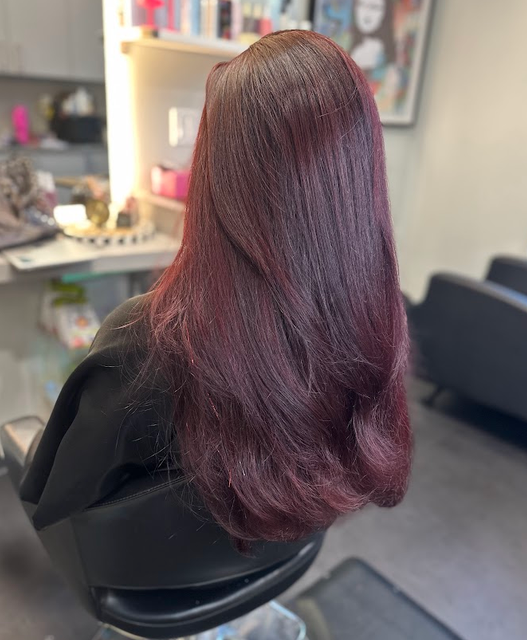
Your treatment starts with texture evaluation identifying where breakage occurs, whether dryness affects your entire length or concentrates at the ends, and if previous chemical services created porosity issues that prevent moisture retention. Professional conditioning formulas contain protein molecules and moisture binders at concentrations unavailable in retail products, targeting structural damage at the molecular level rather than simply coating hair's surface. The application process includes strategic sectioning so each area receives appropriate saturation time based on its specific porosity and damage severity.
After treatment completion, your hair demonstrates improved elasticity when gently stretched—it returns to its original length rather than snapping—and regains the smooth texture that disappeared after repeated coloring or heat styling. You notice reduced tangling during brushing, restored shine from cuticle layers lying flat instead of raised, and elimination of the straw-like feel that characterized your hair before repair work began.
Realistic improvement timelines depend on damage extent—severely compromised hair may require multiple treatments spaced over several weeks, while moderately dry hair often shows visible change after one intensive session. Custom take-home maintenance product recommendations extend professional treatment results between appointments, though these products support rather than replace the repair work completed during your service.
Common Questions About Hair Repair
Clients receiving deep conditioning and hair repair treatments typically want clarity about treatment expectations, maintenance requirements, and damage assessment accuracy.
What determines whether my hair needs protein treatment versus moisture treatment?
Your stylist conducts a strand test—wet hair that stretches excessively before breaking lacks protein structure, while hair that snaps immediately when pulled needs moisture replenishment, and treatment formulas address whichever deficiency your assessment reveals.
How does hard water in the South Portland area affect hair damage?
Maine's mineral-heavy water leaves calcium and magnesium deposits that coat hair strands and prevent moisture absorption, creating the persistent dryness and dullness that at-home conditioning struggles to resolve—professional treatments include chelating agents that remove these mineral layers before repair ingredients penetrate.
How soon after chemical color or smoothing services should I schedule deep conditioning?
Scheduling repair treatment within one week of chemical processing catches damage before it progresses to breakage—chemically treated hair has temporarily opened cuticles that accept conditioning molecules more readily than hair weeks past service date.
Can deep conditioning reverse split ends or do I need cutting?
Conditioning treatments restore moisture and protein to damaged hair shafts but cannot fuse split ends back together—severely split ends require trimming, though conditioning prevents existing damage from traveling further up the hair shaft.
What maintenance should I expect between professional conditioning appointments?
Your at-home routine needs sulfate-free shampoo to avoid stripping treatment results, weekly moisture masking using recommended professional products, and heat tool temperature reduction to prevent re-damaging repaired hair structure.
Phantom Hair specializes in restoring hair health following color services, smoothing treatments, and heat styling damage, operating from Forest Falls Drive in Yarmouth with accessible service to Westbrook and Cape Elizabeth clients. Arrange your damage assessment to receive protein-moisture analysis and treatment timeline specific to your hair's current condition.